
Early freight arrival is one of the most misunderstood challenges in freight logistics. While it may seem like getting freight ahead of schedule is a positive outcome, the reality on the ground often tells a different story. When freight arrives before a location is ready to receive it, the result is frequently congestion, refused deliveries, or rushed handling that disrupts operations rather than improving them.
Job sites, retail stores, warehouses, and commercial facilities operate on carefully planned schedules. Space, labor, and access are typically aligned to specific delivery windows. When freight shows up too early, those plans break down. Instead of creating efficiency, early freight arrival introduces friction that can ripple through the entire operation.
Why Early Freight Arrival Creates More Problems Than It Solves
Early freight arrival becomes a problem when timing and readiness are out of sync. Many delivery locations simply are not equipped to absorb freight ahead of schedule. Limited staging space, restricted receiving hours, and labor availability all work against early deliveries, especially at busy or space constrained facilities.
At job sites, early freight can block access points or create safety concerns. At retail locations, it can interfere with customer traffic or merchandising schedules. In warehouses, early arrivals may overwhelm dock capacity or disrupt outbound planning. In each case, the issue is not the freight itself, but the mismatch between arrival time and operational readiness.
The Hidden Costs of Early Deliveries
When freight arrives too early, the costs are often indirect but significant. Drivers may be forced to wait, triggering detention charges. Freight may be refused and rescheduled, adding re delivery costs and administrative overhead. In some cases, early freight is accepted but handled hastily, increasing the risk of damage or misplacement.
There are also labor costs to consider. Teams may be pulled away from planned tasks to deal with unexpected arrivals, reducing productivity and increasing overtime risk. Over time, these disruptions erode margins and create operational stress that could have been avoided with better timing control.
Why Early Does Not Mean Efficient
A common misconception in logistics is that faster is always better. Early freight arrival exposes the flaw in that assumption. Speed without alignment rarely delivers value. Efficiency comes from delivering freight when the receiving location is prepared to handle it, not simply as soon as possible.
When early arrivals force reactive decision making, efficiency suffers. Teams are pushed into workarounds, temporary storage solutions, or rushed unloading processes. These decisions often introduce new risks and costs that outweigh any perceived benefit of early delivery.
Warehousing as a Practical Buffer for Early Freight
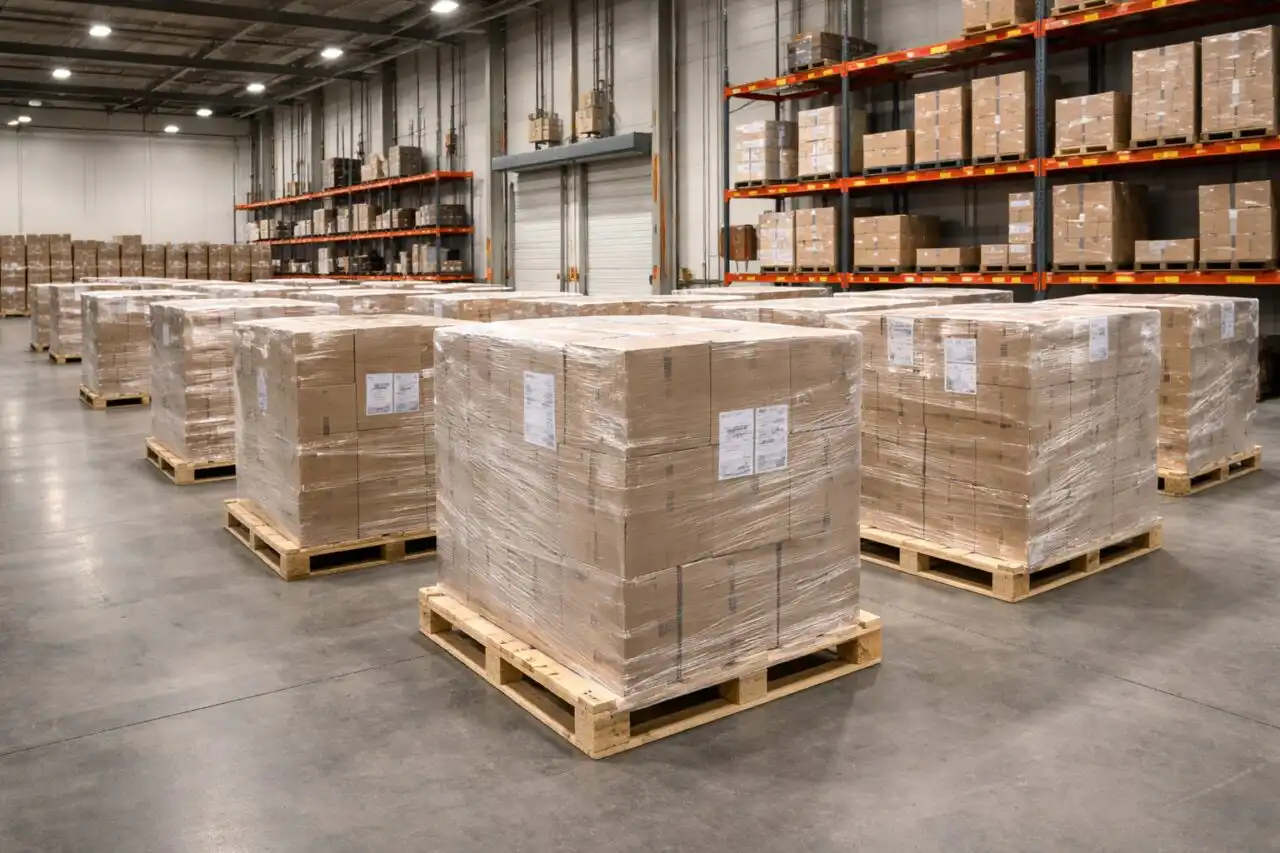
Warehousing provides a controlled solution to the early freight arrival problem. Instead of forcing delivery into unprepared locations, freight can be received into storage when it arrives and held until the destination is ready. This approach absorbs timing mismatches without disrupting downstream operations.
By using warehousing as a buffer, businesses gain flexibility without sacrificing control. Freight can be staged securely, scheduled for release at the appropriate time, and delivered according to actual site readiness rather than estimated arrival windows. This protects delivery schedules and reduces the likelihood of refusals or rushed handling.
How Warehousing Improves Timing and Coordination
Warehousing allows delivery timing to be intentional rather than reactive. When freight is staged, logistics teams can align deliveries with labor availability, access windows, and site conditions. This coordination improves execution across the board, from smoother unloading to more predictable routing.
For businesses managing multiple deliveries or locations, warehousing also creates breathing room. Instead of juggling early arrivals across several sites, freight can be consolidated and released in a controlled sequence. This reduces congestion and improves visibility throughout the delivery process.
Early Freight Arrival in Retail, Commercial, and Job Site Environments
Early freight arrival is especially disruptive in environments with limited flexibility. Retail stores often operate on strict delivery windows tied to staffing and customer flow. Commercial facilities may have restricted access times or shared receiving areas. Job sites evolve daily, with changing access and safety conditions.
In all of these environments, warehousing acts as a stabilizing force. It allows freight to arrive when transportation schedules allow, while still respecting the realities of the delivery environment. This separation of arrival and delivery timing is key to maintaining operational control.
Using Warehousing to Stay Flexible Without Losing Control
One of the biggest advantages of warehousing is the ability to remain flexible without introducing chaos. Freight can be accepted when it arrives, even if it is early, without forcing immediate delivery. This flexibility supports better planning and reduces pressure on both drivers and receivers.
Warehousing also improves communication and coordination. With freight staged, delivery plans can be adjusted based on real conditions rather than assumptions. This leads to fewer surprises and more consistent execution.
The Bottom Line on Early Freight Arrival
Early freight arrival is not inherently beneficial. When it occurs without a plan, it often creates congestion, additional costs, and operational disruption. Speed alone does not equal efficiency, especially when delivery locations are not ready to receive freight.
Warehousing solves this problem by acting as a buffer between arrival and delivery. It allows businesses to accept freight when it arrives while preserving control over when and how it is delivered. For organizations seeking predictability, cost control, and smoother execution, warehousing is not just storage. It is a strategic tool that turns early arrivals from a liability into an advantage.
Contact Comet Delivery
Managing early freight arrivals requires more than storage space. It requires coordination, timing, and clear communication across every step of the move. Comet Delivery supports businesses with warehousing solutions designed to buffer early arrivals and align delivery schedules with real world site readiness.
Our logistics specialists stay actively involved from inbound arrival through final delivery, providing hands on coordination and real time updates through direct communication with drivers. This approach helps reduce delivery disruptions, protect timelines, and maintain operational control.
If your freight frequently arrives ahead of schedule or requires staged release to multiple locations, call us today at 305-591-2262 to speak with a Comet Delivery logistics specialist and discuss how warehousing can support your delivery strategy.
