
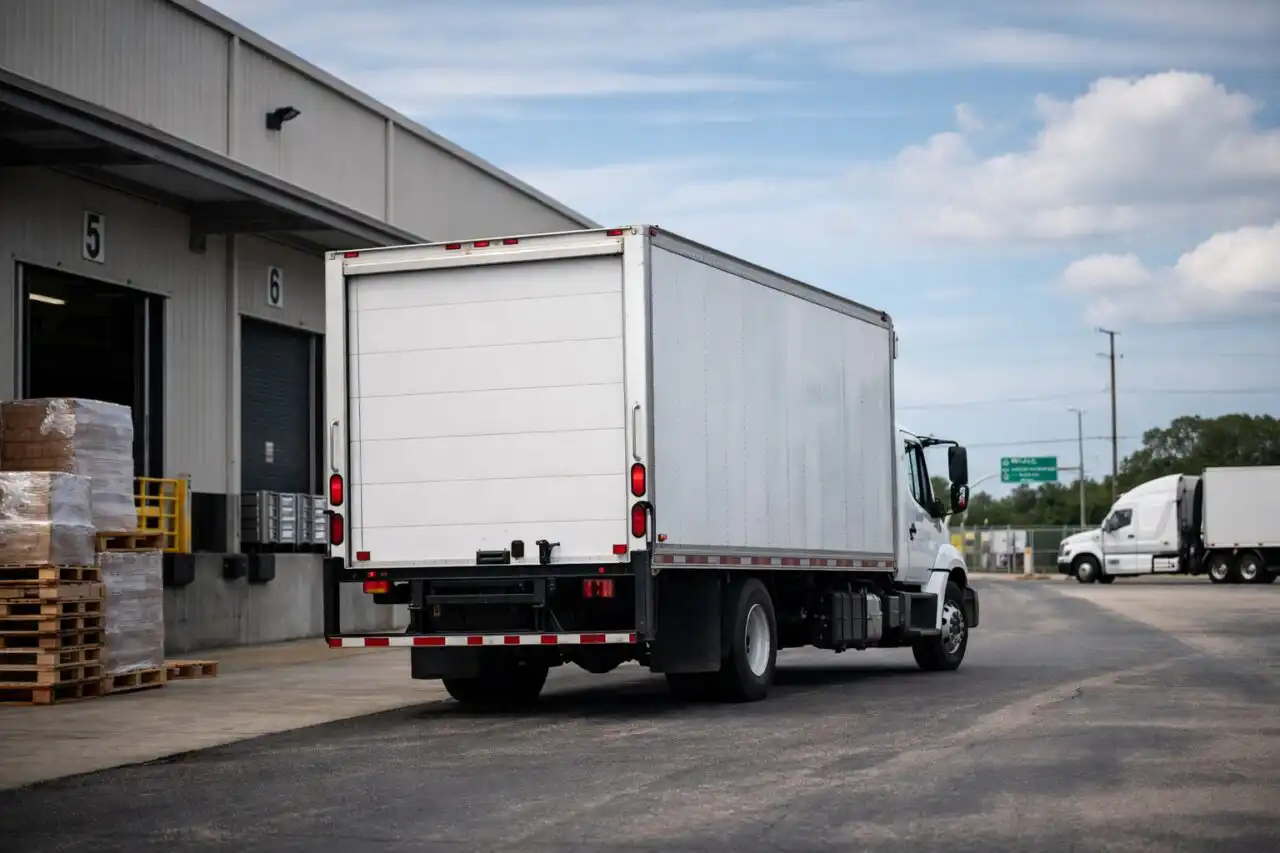
When businesses talk about logistics performance, most of the attention goes to last mile delivery. That focus makes sense. The final delivery step is the most visible part of the process and the moment when customers actually receive their goods. However, many supply chain problems begin much earlier. The first mile pickup stage often determines whether a shipment moves smoothly through the entire delivery process or encounters delays before it even leaves the origin.
A well planned first mile pickup strategy sets the tone for everything that follows. When pickup coordination is handled properly, freight moves through staging, transportation, and final delivery with fewer interruptions. When the first step is poorly managed, problems begin immediately and often compound as the shipment progresses.
What the First Mile Pickup Stage Really Involves
The first mile pickup refers to the initial movement of freight from its point of origin to the next step in the logistics chain. That origin may be a manufacturing facility, warehouse, supplier location, or port. While this stage may appear simple on the surface, it involves several important operational elements.
Pickup scheduling must align with production timelines and warehouse readiness. Freight must be prepared correctly so it can be loaded efficiently and transported safely. Drivers must arrive with the correct equipment and documentation. If any of these pieces are out of sync, delays begin immediately.
Businesses sometimes underestimate how much coordination is required at this stage. A shipment that is not fully prepared when the truck arrives may force the driver to wait, reschedule, or leave without the freight. Even small disruptions during pickup can ripple through the rest of the delivery schedule.
How Poor Pickup Planning Creates Delivery Delays
Many delivery problems that appear to be transportation issues actually begin during the pickup phase. When a shipment leaves late or incomplete, the rest of the logistics timeline must adjust to accommodate the delay.
Missed pickup windows can affect warehouse appointments later in the day. Freight that leaves a facility behind schedule may miss staging deadlines at distribution centers. Drivers may also lose valuable time waiting for freight that is not ready when scheduled.
These situations often create a chain reaction across the supply chain. A delay at the beginning of the journey may cause missed delivery appointments, increased transportation costs, or longer transit times.
Strong pickup planning helps avoid these problems by ensuring that freight is ready, equipment is appropriate, and schedules are aligned before the truck arrives.
Coordination Between Facilities and Transportation Teams
Successful first mile pickup operations rely heavily on communication between shipping facilities and logistics teams. Both sides must clearly understand timing expectations, freight preparation requirements, and loading procedures.
Facilities must ensure that shipments are packaged, labeled, and staged in advance of the scheduled pickup time. Logistics teams must confirm equipment needs, route planning, and driver availability. When these steps are coordinated effectively, pickups can occur quickly and efficiently.
Clear communication also allows logistics providers to respond to changes before they create delays. If production schedules shift or freight preparation takes longer than expected, adjusting pickup timing in advance can prevent unnecessary disruption.
The Connection Between First Mile Efficiency and Last Mile Success
The last mile delivery stage often receives the most attention because it directly impacts the customer experience. However, the reliability of that final step depends heavily on what happens earlier in the shipping process.
When pickups occur on time and freight moves smoothly into the transportation network, the rest of the delivery schedule becomes far easier to manage. Drivers maintain their planned routes, warehouse appointments stay on schedule, and delivery timelines remain predictable.
When the first mile breaks down, the last mile often suffers the consequences. Missed pickup windows or delayed freight can push deliveries outside their intended timeframes. By focusing on strong first mile coordination, businesses improve the likelihood that the final delivery will occur exactly when expected.
Building a More Reliable First Mile Pickup Strategy
Companies that move freight regularly benefit from establishing clear pickup procedures and consistent communication practices. Several steps can strengthen the reliability of the first mile stage.
First, ensure that freight preparation timelines match scheduled pickup times. Shipments should be packaged, labeled, and staged before drivers arrive. Second, verify that the correct equipment is requested for the shipment. Third, maintain open communication with logistics providers so changes can be addressed quickly.
When these practices become routine, the pickup process becomes more predictable and efficient. This consistency helps reduce delays and supports a smoother flow of freight throughout the supply chain.
Contact Us
If your business relies on dependable freight movement, the first mile pickup stage deserves as much attention as the final delivery. Comet Delivery helps businesses coordinate pickups, manage transportation schedules, and keep shipments moving across Florida with clear communication and reliable planning. To learn more about scheduling a pickup or organizing your next shipment, contact our logistics specialists at 305-591-2262. Our team will help ensure your freight starts its journey on the right path.
