
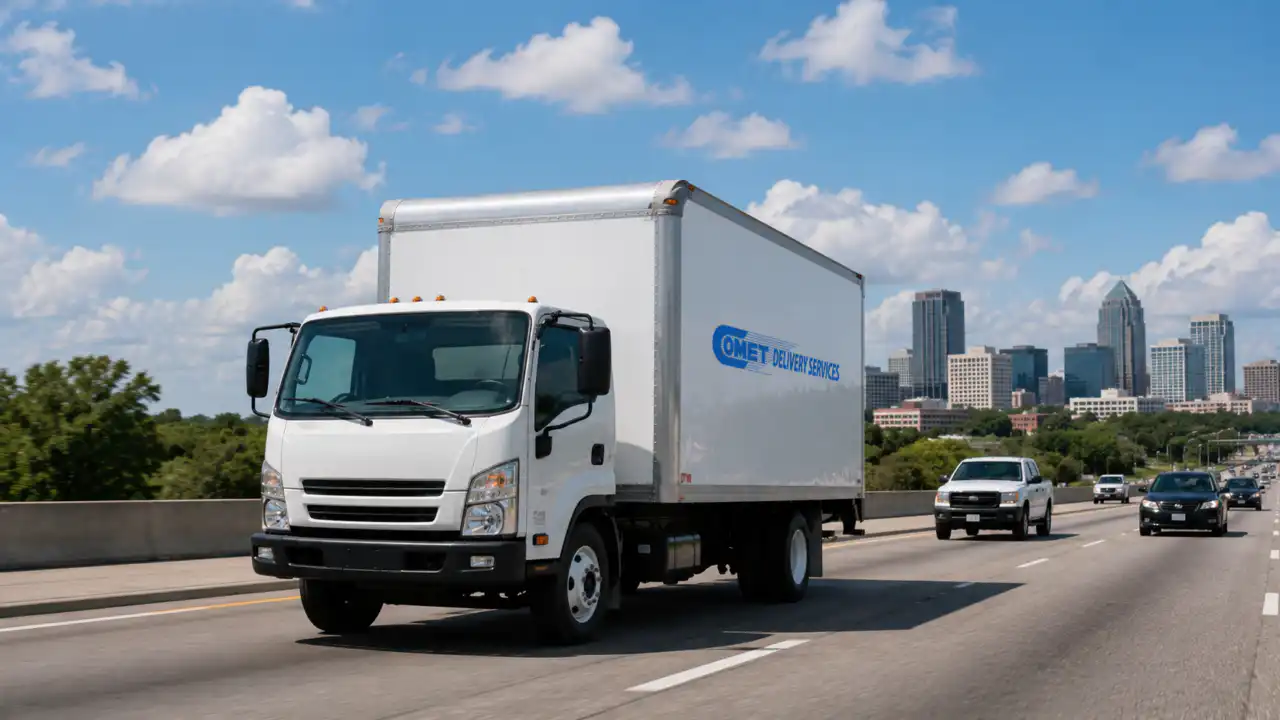
Central Florida is no longer the quiet middle of the state. The stretch of the I-4 corridor running from the Orlando metro outward has become one of the fastest-growing logistics markets in the country, pulling in distribution centers, manufacturers, and retailers that all need freight to move reliably. With that growth comes congestion, tighter delivery windows, and less room for error, which puts real pressure on how goods get from the dock to the destination.
For businesses operating along that corridor, the logistics partner they choose has a direct effect on whether growth feels like opportunity or chaos. Here is what is driving the boom and how dedicated delivery keeps Central Florida freight moving through it.
Why the I-4 Corridor Is Booming
Central Florida sits within a day’s drive of most of the state’s population, which makes it a natural staging point for companies that want to reach customers quickly. Population growth, new housing, a deep tourism and hospitality base, and a steady flow of imports moving inland from the coasts have all pushed demand higher. Warehousing space along the corridor has expanded to match, and more inventory in the region means more freight moving every day.
That density is an advantage, but only if the freight network around it can keep up.
The Logistics Challenges of a Growing Region
Growth brings friction. Traffic on the main routes has thickened, receiving docks are busier, and delivery appointments have gotten stricter as warehouses try to manage the volume. A shipment that would have moved easily a few years ago now has to thread tighter windows and heavier roads. When freight rides on a shared truck that stops at a terminal and waits on other loads, those delays compound quickly.
For a region built on speed to market, anything that adds uncertainty to delivery times works against the businesses operating there.
Dedicated Delivery Keeps Central Florida Moving
This is where dedicated delivery earns its keep. A dedicated delivery assigns a truck to a single customer’s freight, carrying it straight from pickup to destination without commingled loads or terminal sorting. In a congested, appointment-driven market, that direct routing is what lets a shipment actually hit its window instead of drifting behind someone else’s schedule.
It also keeps handling to a minimum, which protects the goods and keeps accountability with one team from start to finish. In a region where a missed receiving appointment can cost a full day, that reliability is the whole point.
Warehousing and Distribution Close to Demand
Speed in Central Florida is not only about the trucks. Holding inventory near the customers it serves shortens every delivery that follows. Pairing transportation with warehousing and distribution in the region lets businesses stage product close to demand and release it on short notice, rather than trucking everything in from out of the area each time an order lands.
That combination, storage in the right place and dedicated trucks ready to move it, is what keeps a growing operation from getting stuck waiting on freight.
Connecting Orlando and South Florida
Plenty of Central Florida freight starts or ends in the Miami area. The constant flow of goods between South Florida and Orlando is exactly the kind of run that suffers most on shared trucks, where a load can sit at a terminal waiting to fill before it ever heads north. A committed truck running directly between the two markets keeps that freight on a predictable schedule and turns a long, uncertain trip into one clean move.
Our trucking network covers both regions, so the connection between Orlando and South Florida is built into how we operate rather than pieced together load by load.
Built for Central Florida Businesses
The companies winning in the I-4 corridor treat logistics as part of their growth plan, not an afterthought. They want delivery windows they can promise customers, freight that arrives undamaged, and a partner who understands the roads and the receiving habits of the region. Dedicated capacity, regional warehousing, and direct routes between the major markets all serve that same goal of keeping product moving as fast as the region is growing.
As Central Florida continues to expand, the businesses with the most reliable freight behind them will be the ones positioned to take advantage of it.
Industries Driving Demand Along the Corridor
The growth along I-4 is not coming from one place. E-commerce and retail operations stage inventory here to reach customers across the state quickly. Construction and building-supply companies feed the region’s steady stream of new housing and commercial projects. The tourism and hospitality base around Orlando keeps a constant flow of goods moving to hotels, attractions, and the businesses that serve them. Manufacturers and distributors use the corridor as a central point to push product in every direction.
Each of these industries carries its own delivery demands, from tight retail receiving windows to job-site schedules that cannot slip. What they share is a need for freight that shows up exactly when it is supposed to. Matching the right mix of dedicated trucks, regional storage, and direct routes to each one is what turns a busy corridor into a dependable supply chain rather than a daily scramble.
Planning Ahead for Peak Demand
Central Florida’s volume is not flat across the year. Tourism swings, holiday retail, and construction timelines all create surges that strain delivery capacity right when it matters most. Businesses that wait until a peak hits to find trucks often pay for it in missed windows and scrambled routes. The ones that line up dedicated capacity and regional storage ahead of time move through those surges without the stress, because the freight network is already in place. A logistics partner who knows the corridor can help map those peaks in advance and commit the trucks before demand spikes rather than after.
Talk to Comet About Central Florida Logistics
If your business is growing along the I-4 corridor and your freight needs to keep pace, Comet can help you build a delivery plan around dedicated trucks and regional warehousing. Contact us or call 305-591-2262 to talk through what you are moving and where it needs to go.
